Top Signs Your Facility Needs Remote Monitoring Services
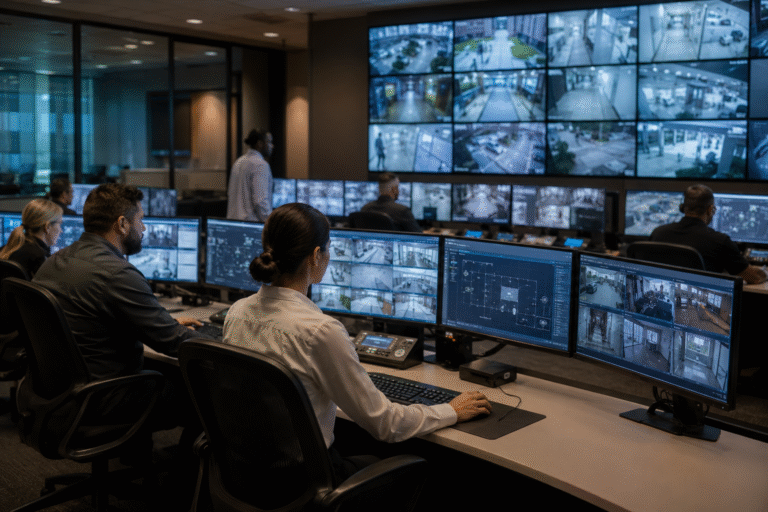
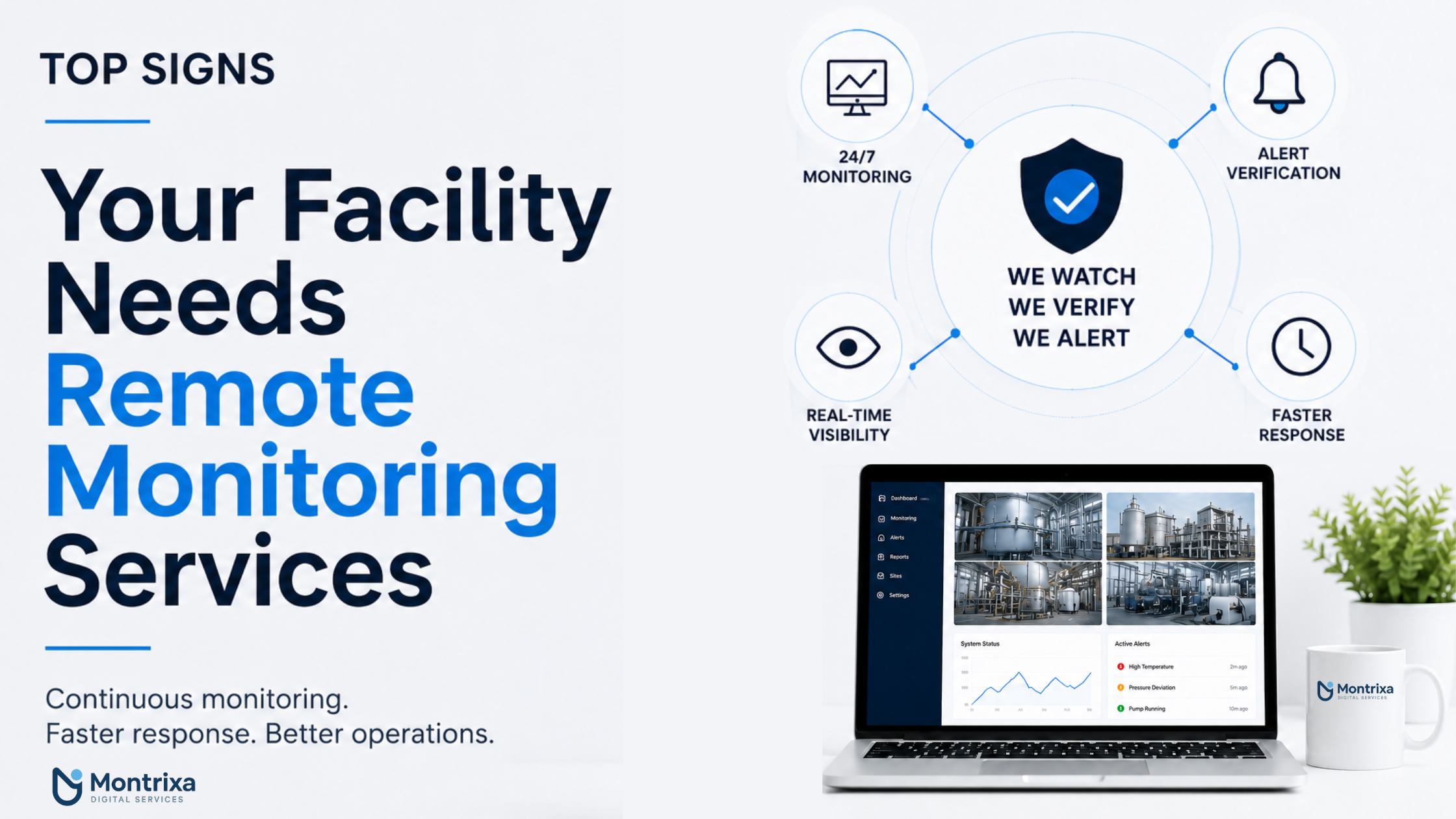
Many facilities believe they have visibility because they have cameras, alarms, dashboards, and SCADA systems in place. The reality is that these systems only generate information. Moreover ,someone still needs to watch, verify, and respond when something happens. As operations become larger and more complex, important events can easily be missed. This is often the point where remote monitoring becomes a necessity rather than an option.
Critical Alerts Are Not Being Actioned Quickly
Most facilities generate alerts throughout the day. Some indicate minor changes while others require immediate attention. When operators are managing multiple responsibilities. The important alarms can be delayed and sometimes overlooked. This creates unnecessary operational risk and can lead to downtime. However, remote monitoring ensures critical alerts are continuously reviewed and escalated when required.
Your Team Cannot Watch Systems Around the Clock
Operations do not stop when a shift ends. The equipment continues running, processes remain active, and incidents can occur at any time. Therefore, maintaining constant visibility with internal staff is expensive and difficult to sustain. As a result the monitoring coverage becomes inconsistent outside business hours. So the remote monitoring provides continuous oversight without increasing staffing requirements.
You Manage Multiple Sites
As facilities expand, visibility often becomes fragmented. Managers may receive information from different systems, locations, and teams. This can make it difficult to maintain a consistent response process across every site. Small issues may remain unnoticed until they affect operations. Remote monitoring centralises oversight and helps maintain visibility across multiple locations.
Operational Issues Are Discovered Too Late
Many businesses only become aware of a problem after it has already disrupted operations. A process stops, a system fails and a critical alarm remains unanswered. By the time the issue is identified the impact has already occurred. This reactive approach often increases costs and delays recovery. Therefore continuous monitoring helps identify events sooner and supports faster action.
Your Team Is Constantly Checking Dashboards
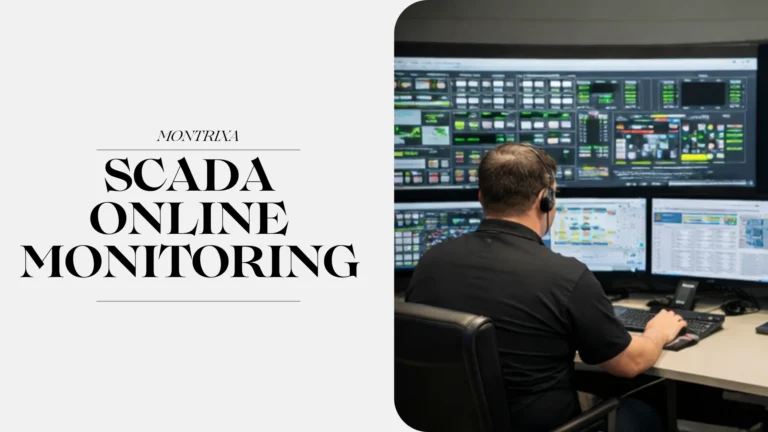
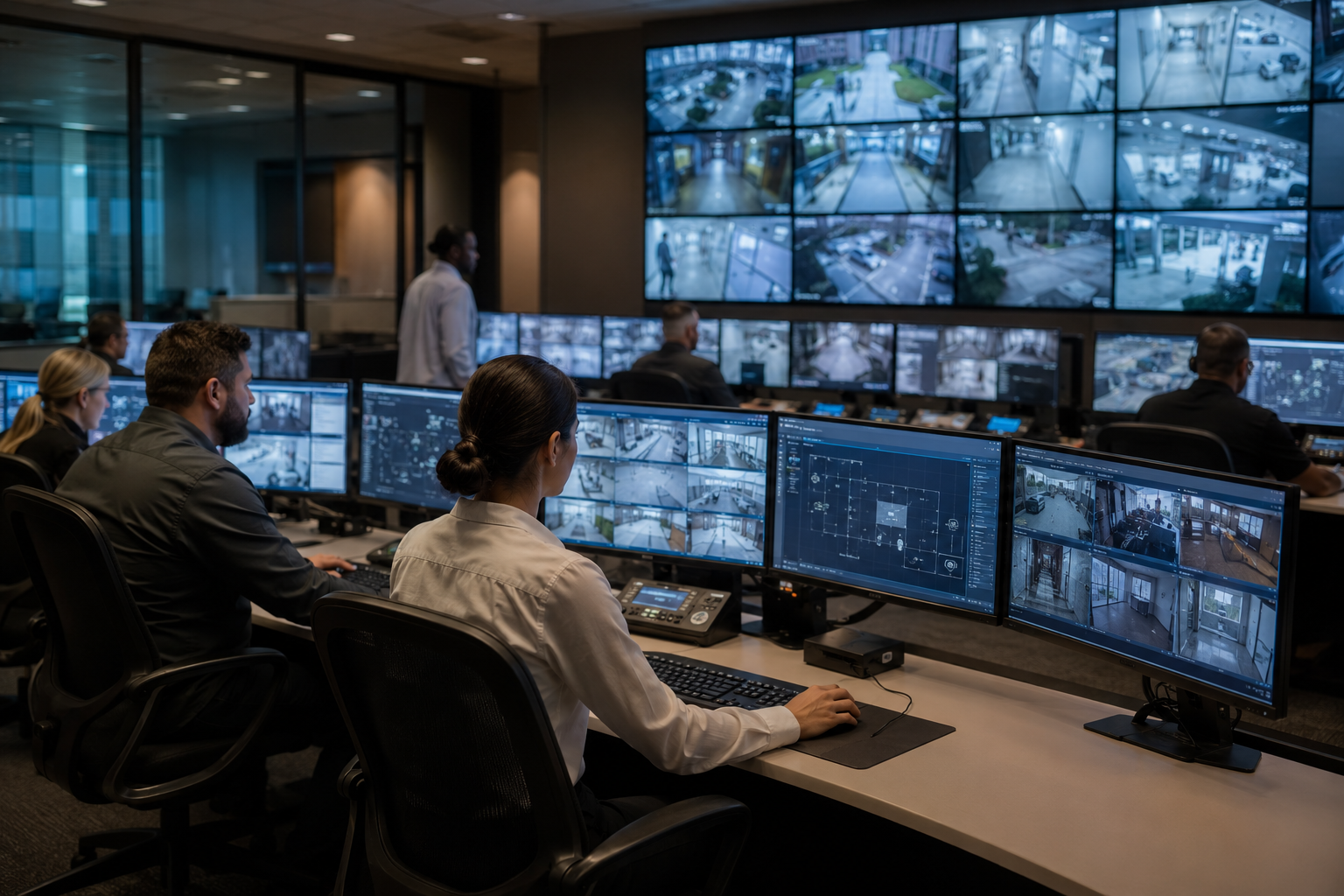
SCADA screens, CCTV feeds, process dashboards, and operational systems all require attention. However asking employees to continuously monitor these systems alongside their primary duties is rarely effective. Attention naturally shifts to other priorities throughout the day. This increases the likelihood of important events being missed. Remote monitoring provides dedicated oversight so operational teams can focus on their core responsibilities.
You Need Faster Incident Verification
Not every alarm requires immediate escalation. Some alerts may be caused by temporary conditions, user error, or non-critical events. Responding to every notification as an emergency can waste valuable time and resources. Effective monitoring involves verifying what is happening before taking action. This helps ensure the right people receive the right information at the right time.
Downtime Is Becoming More Costly
Even short disruptions can affect productivity, customer commitments, and operational performance. As facilities become more dependent on continuous operations. The impact of downtime continues to increase and businesses can no longer afford long delays between an issue occurring and someone noticing it. Moreover, early awareness plays a critical role in reducing operational risk.
Conclusion
The need for remote monitoring often becomes clear when visibility starts to decline. Missed alerts, delayed responses, growing operations, and limited oversight are all signs that existing processes may no longer be sufficient. Continuous monitoring provides an additional layer of awareness that helps businesses identify issues sooner and respond more effectively. For facilities that rely on uptime and operational continuity, remote monitoring has become an essential part of day-to-day operations.